
Affiliate Disclosure: This post may contain affiliate links. If you purchase through these links, I may earn a small commission at no extra cost to you. I only recommend products I genuinely love and trust. Thank you for supporting my work!
Becoming a blogger is a lot of work and there is so much you need to know! I’ve been trying to build my blog business for almost three years now, and let me tell you, starting a successful blog is not easy. It takes a lot of time and effort, but it’s definitely worth it!
Today I thought I’d share my best blogging beginner tips that I’ve learned over the past few years from my experience. These are tips every new (and seasoned) blogger should know!
I first started Hibbzhub Blog back in 2023 when I knew absolutely nothing about the blogging world or making money blogging. I learned so many things as I went. I spent countless hours watching YouTube videos, reading other blogs, searching on Google… and finally after three years, I feel like I have a pretty good handle on this blogging thing! So I thought I’d share everything I’ve learned with you!
If you’re just starting out and your goal is to become a successful blogger, keep reading! This post is going to be very informational and packed with value, so get ready to take notes.
Let me first say, if you haven’t built your website yet, there’s a special 20% discount for you to set up your website for just $3.30/month. It’s less than what you spend on coffee and snacks!
HERE ARE THE THINGS I WISH I WOULD’VE KNOWN BEFORE BECOMING A BLOGGER!
1) You Can’t Just Hit Publish on a New Blog Post and Expect People to Read It
When I first started blogging, I assumed that when I clicked publish on a new post that people would automatically read it. In reality, when you click the publish button, nothing actually happens. Yes, it’s live on your site, but if you don’t do any marketing, your post will never be seen.
Promoting your posts is arguably the most important part (after actually writing the post!).
That means:
- Making pins for Pinterest and sharing them across your boards (I’ll talk more about Pinterest later in this post)
- Sharing your posts on Instagram, LinkedIn, or Twitter
- Posting in any blogging groups you’re part of
- Sending it to your email list (if you have one)
Share your blog posts anywhere and everywhere! The more platforms you share your posts on, the more people that will potentially see them, read them, and share them with others.
Marketing is not optional. It’s essential.
2) You Need a Pinterest Strategy
Pinterest is life-changing for anyone with a website. It’s by far the easiest way for new (and seasoned) bloggers to majorly increase their blog traffic FAST. But you need to have a strategy in place in order to do so.
Before you figure out a strategy, you’ll want to make sure:
- You’ve claimed your website on Pinterest
- You’ve enabled Rich Pins
- You’ve fully optimized your account for SEO
- You’re using keywords and hashtags in specific areas
- Your pins are easy to read and beautifully designed
- Your boards are relevant and have descriptions
That’s just the setup.
If you want to take full advantage of everything Pinterest has to offer, then you’ll want to take some time and do some research. Study what’s working in your niche. Look at top-performing pins. Test different designs and headlines.
Consistency + strategy = traffic.
Download the Pinterest marketing strategy guide now!
3) Canva Is a Blogger’s Best Friend
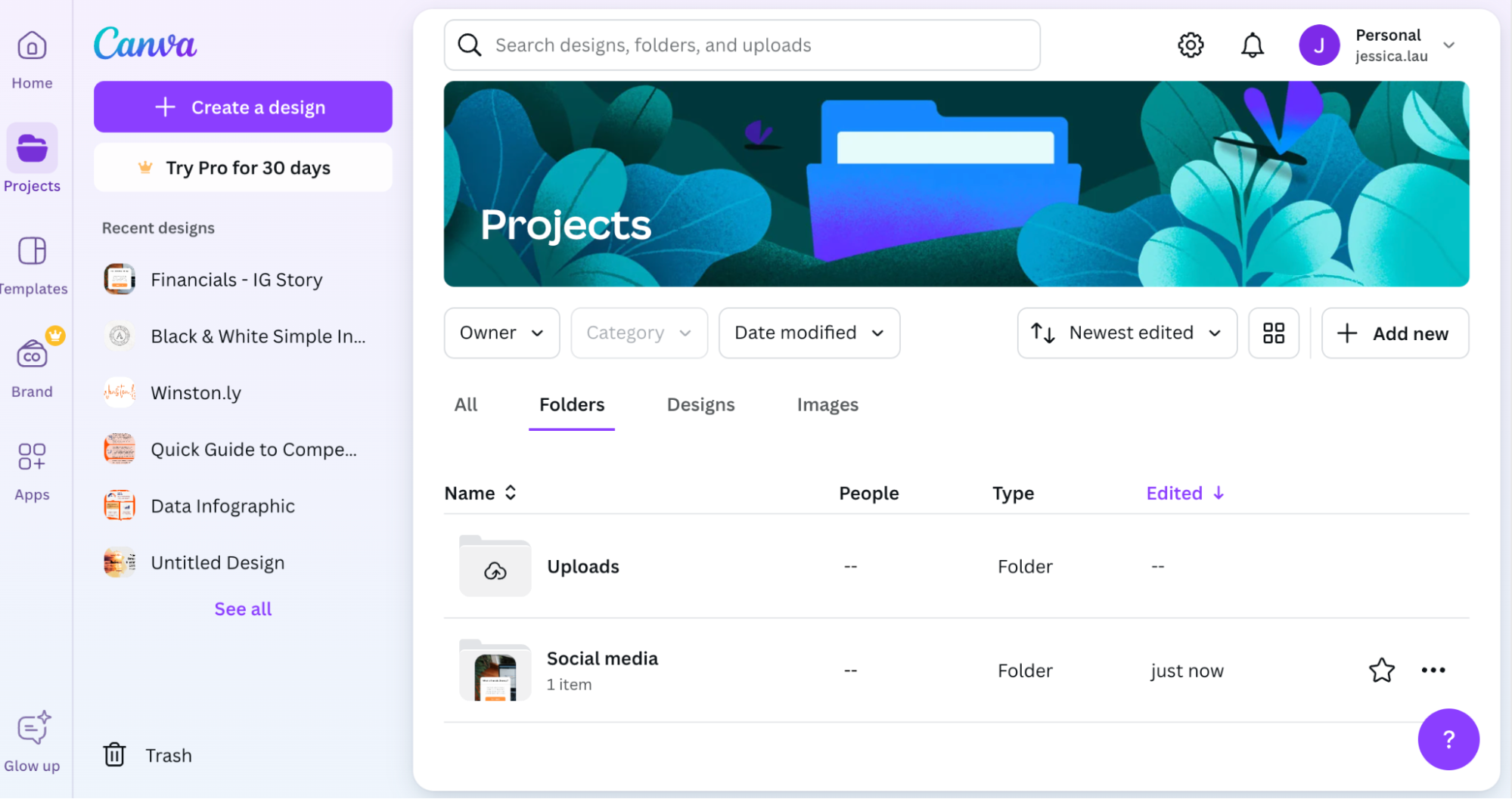
One of the best tools I discovered while blogging is Canva.
As a blogger, you constantly need graphics — Pinterest pins, blog banners, Instagram posts, logos, media kits, and more. Canva makes it incredibly easy to create professional-looking designs even if you have zero design experience.
You can start with the free version, which is amazing on its own. Later, if you want access to more templates, stock photos, and advanced features, you can upgrade to Canva Pro.
Trust me — good design matters. Eye-catching pins and graphics will significantly increase your clicks and traffic.
4) Create Content That Your Audience Wants to Read
In the beginning, it’s tempting to write about whatever comes to mind. But if you want to grow, you need to create content your audience is actually searching for.
Ask yourself:
- What problems does my audience have?
- What questions are they typing into Google or Pinterest?
- How can I provide real value?
Do keyword research. Use Pinterest search suggestions. Look at “People Also Ask” sections on Google.
When you create helpful, searchable, and valuable content, your blog will grow much faster.
5) Make Sure You Have a Privacy Policy, Disclosure Policy, and Terms of Use
This is something many new bloggers overlook.
If you’re using affiliate links, collecting emails, or running ads, you legally need:
- A Privacy Policy
- A Disclosure Policy
- Terms and Conditions
These pages protect both you and your readers. Blogging is a real business — treat it like one from day one.
6) Taking Breaks Is Important
Blogging can be exhausting. It will always seem like your to-do list is a mile long and that you’re never making a dent in it.
Although you may always have way too many things to do, it’s so important to take breaks and allow yourself to rest. You will burn yourself out if you never slow down.
There have definitely been times I’ve gone to bed after 1 a.m. trying to learn something new and then woken up early just to keep learning. Once in a while, that’s fine. But if you consistently spend ALL your time creating blog content, you’ll wear yourself out.
Burnout is real. Rest is productive.
7) There Is Always Something to Learn
The blogging world is constantly changing. Algorithms change. SEO updates happen. New platforms appear. New strategies emerge. You will never know everything — and that’s okay. Commit to being a lifelong learner. Watch tutorials. Read other blogs. Invest in courses. Stay curious. The bloggers who succeed long-term are the ones who keep learning and adapting.
When I first started blogging, I thought once I learned how to write and publish a post, I had everything figured out. I quickly realized that blogging is much more than writing — it’s SEO, marketing, branding, analytics, and understanding your audience.
Platforms like Google and Pinterest constantly update their algorithms, which means strategies that worked last year might not work today. Instead of feeling overwhelmed, I learned to see change as growth.
The more I studied keywords, content structure, and traffic strategies, the more confident I became. Successful bloggers aren’t the ones who know everything — they’re the ones willing to keep improving. If you stay open to learning, test new ideas, and adapt when needed, your blog will continue to evolve and grow right along with you.
8) BLOGGING IS AN INVESTMENT
Just like any business, you have to invest in your own blog if you want it to be profitable.
A few investments you’ll have to make include:
- Hosting for your blog
- Your domain name
- A WordPress theme (free themes are also available)
- Tools like Pinterest schedulers
- Design tools like Canva Pro
- Paid plugins
- Blogging courses
The cost can add up. However, if you set your blog up correctly, your profits will eventually outweigh your initial startup costs.
Think long-term.
9) Create a Content Calendar or Organization System That Works for You
Blogging requires consistency.
If you’re constantly wondering what to post next, you’ll feel overwhelmed. Creating a content calendar helps you stay organized and consistent.
Plan your posts weekly or monthly. Batch create content when possible. Set realistic goals.
Organization saves time and reduces stress.
When I started planning my content in advance, everything changed. Instead of scrambling for ideas at the last minute, I knew exactly what I was working on each week.
A content calendar allows you to strategically plan posts around keywords, seasons, trends, and promotions. For example, you can align blog posts with holidays, product launches, or Pinterest trends. Batching content — writing multiple posts in one sitting — also improves productivity and keeps your workflow smooth.
Whether you use a digital tool, a spreadsheet, or a simple notebook, the key is consistency. Having a clear plan reduces decision fatigue, increases efficiency, and helps you stay focused on long-term growth instead of daily stress.
10) Income From Blogging Can Be Unpredictable and Slow to Grow
This is something I truly wish I understood earlier.
Blogging income is often slow at first. Some months you’ll make progress. Other months may feel discouraging.
It’s not a get-rich-quick journey.
But if you stay consistent, improve your content, market strategically, and treat your blog like a business — growth will come.
Patience is key.
Conclusion
Starting a blog has been one of the most challenging yet rewarding things I’ve ever done. I made mistakes. I wasted time. I had moments where I wanted to quit.
But I kept going.
If you’re at the beginning of your blogging journey, just know this: every successful blogger once started exactly where you are.
Stay consistent. Keep learning. Be patient. Invest wisely. And most importantly — don’t give up.
Three years from now, you’ll thank yourself for starting today. 💛
